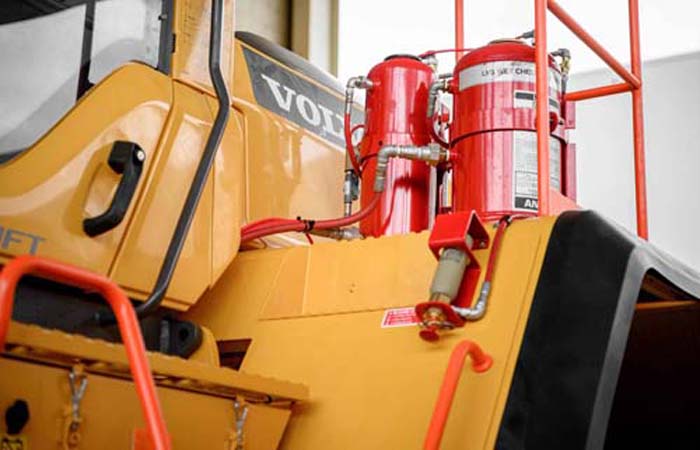
Kitchen fire suppression system

Explore the essential role of a Kitchen Hood Fire Suppression System in ensuring safety during culinary adventures, as it detects and extinguishes fires in commercial kitchens swiftly and efficiently.
Imagine this scenario: You’re in the middle of preparing a delicious meal for your loved ones when suddenly, a small fire breaks out on your stovetop. Panic sets in as smoke fills the air and you frantically search for a way to extinguish the flames.
This is where a kitchen hood fire suppression system comes to the rescue. what exactly this system is and how it can be an invaluable addition to any kitchen.
So, buckle up and get ready to discover everything you need to know about kitchen hood fire suppression systems!
Understanding Kitchen Hood Fire Suppression Systems
Kitchen hood fire suppression systems are a crucial component of any commercial kitchen, designed to detect and extinguish fires quickly and effectively. Now that you have a grasp on the importance of these systems, let’s dive deeper into understanding how they work.
At its core, a kitchen hood fire suppression system is specifically engineered to protect against fires that may occur in cooking appliances such as stoves, grills, fryers, or other high-heat equipment commonly found in professional kitchens. These systems are strategically installed above the cooking area and consist of various components working together seamlessly.
When a fire breaks out within the range hood or exhaust system – often caused by grease buildup igniting – the detection mechanism within the suppression system activates. This can be done through heat sensors or flame detectors which promptly identify abnormal temperature increases or flames.
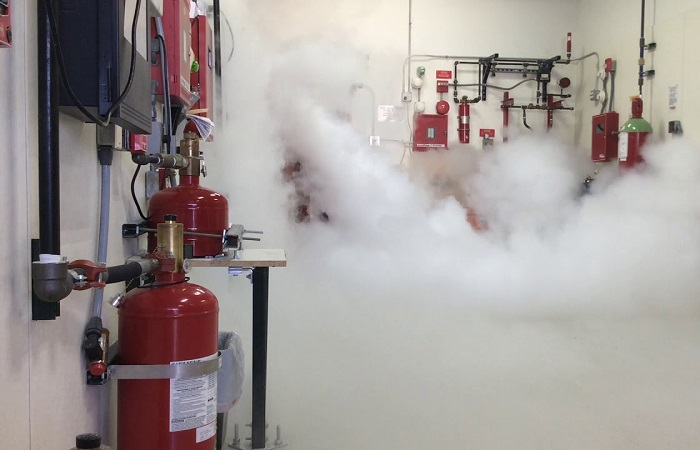
Once triggered, an automatic response is initiated where specialized agents (such as wet chemicals) are released from nozzles positioned directly above potential sources of ignition. These agents rapidly suppress flames by cooling down hot surfaces while simultaneously creating a barrier between fuel sources like oil and oxygen – preventing re-ignition.
Understanding how these intricate mechanisms function allows us to appreciate their significance in safeguarding both lives and property during culinary endeavors.
Importance of Kitchen Hood Fire Suppression System
That’s where the importance of a Kitchen Hood Fire Suppression System becomes evident. This crucial system acts as an unsung hero, swiftly detecting and extinguishing fires before they have a chance to escalate into something more dangerous.
Imagine returning to our earlier scenario: you’re in the midst of preparing that mouthwatering meal when suddenly, flames erupt from your stovetop. But this time, thanks to your trusty kitchen hood fire suppression system, there’s no need for panic or frantic searching for an extinguisher.
The system springs into action immediately upon detecting the flames and releases suppressant agents specifically designed to smother fires caused by cooking oils and grease.
The significance of having such a system in place cannot be overstated – it not only protects lives but also prevents extensive property damage that can result from uncontrolled fires in commercial kitchens. By quickly suppressing flames at their source within seconds after ignition occurs, these systems minimize potential injuries and reduce downtime due to repairs or rebuilding efforts.
Moreover, many insurance companies require businesses with commercial kitchens to have certified fire suppression systems installed as part of their coverage policies. Compliance with these regulations ensures not only safety but also peace of mind knowing that you are adequately prepared should disaster strike.
Types of Kitchen Hood Fire Suppression Systems
Let’s take a closer look at some of the most common types:
1. Wet Chemical Systems: These systems utilize a special wet chemical agent that is specifically designed for suppressing fires caused by cooking oils and fats.
When activated, the system releases a fine mist that quickly cools down the flames and forms a soapy layer on top of the burning surface, preventing re-ignition.
2. Dry Chemical Systems: Ideal for combating fires fueled by flammable liquids or gases, dry chemical systems use powdered agents such as potassium bicarbonate or monoammonium phosphate to smother flames effectively.
3. Dual-Agent Systems: Combining both wet chemicals and dry chemicals in one system provides comprehensive protection against various types of kitchen fires.
The wet chemical component targets grease-related incidents while the dry chemical component handles other fuel sources like gas or electrical fires.
4.Carbon Dioxide (CO2) Systems: CO2 extinguishing agents displace oxygen from an enclosed space rapidly, suffocating any fire present without leaving behind residue that could contaminate food preparation areas.
5. Automatic Fire Suppression System with Water Mist Technology: This innovative type uses high-pressure water mist technology to suppress flames efficiently while minimizing water damage compared to traditional sprinkler systems. Each type has its own unique advantages depending on factors such as kitchen layout, cooking methods used, and local regulations governing fire safety standards in commercial kitchens.
Components of a Fire Suppression System
These components work together seamlessly to detect and suppress fires, ensuring the safety of both your kitchen and those in it.
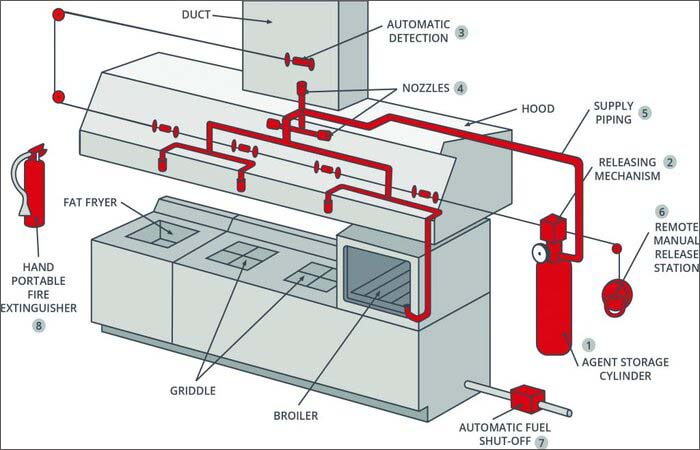
The main component of a fire suppression system is the detection mechanism. This can be in the form of heat sensors or flame detectors strategically placed near potential sources of fire, such as stovetops or fryers.
Once these sensors detect an abnormal rise in temperature or presence of flames, they send signals to activate other parts of the system.
Next up are extinguishing agents that are stored within cylinders connected to pipes running above cooking equipment. The most commonly used agent for suppressing grease fires is wet chemical solution specifically designed for this purpose.
When triggered by the detection mechanism, these cylinders release pressurized agents through nozzles positioned directly over high-risk areas like stoves and grills.
To ensure effective coverage throughout your kitchen space during a fire event, distribution piping plays a vital role by carrying extinguishing agents from storage containers to discharge points where nozzles are installed.
There’s also an essential element called manual activation devices which allow individuals present in case-of-emergency situations (such as staff members)to manually trigger immediate deployment when necessary before automatic activation occurs. Lastly but not least important part includes control panels that serve as command centers for monitoring and managing all aspects related to your fire suppression system’s operation.They provide visual indicators showing whether individual zones have been activated along with audible alarms alerting occupants about ongoing emergencies.
How Does a Kitchen Fire Suppression System Work?
How exactly does this remarkable system work?
The heart of a kitchen fire suppression system lies in its ability to detect fires at their earliest stages. Typically, these systems utilize heat sensors or flame detectors strategically placed near cooking appliances such as stovetops and fryers.
When a sudden rise in temperature or presence of flames is detected, an alarm is triggered.
Upon activation, the fire suppression system releases a specialized extinguishing agent that quickly suppresses the flames before they have a chance to spread. This agent can be either wet chemical-based or dry chemical-based depending on the type of fire being tackled.
Wet chemical systems are specifically designed for grease fires commonly found in commercial kitchens where oils and fats are used extensively during cooking processes. The wet chemicals released form a soapy foam-like substance that effectively cools down hot surfaces while simultaneously creating an impenetrable barrier between oxygen and fuel sources.
On the other hand, dry chemical systems work by releasing powdered substances like potassium bicarbonate or monoammonium phosphate onto open flames. These powders interrupt combustion reactions by smothering fires with fine particles that coat burning materials.
In addition to suppressing fires directly above cooking equipment, some advanced kitchen hood fire suppression systems also incorporate ductwork protection mechanisms which ensure any potential flare-ups within ventilation ducts are promptly addressed as well.
Regulatory Compliance for Fire Suppression Systems
Various governing bodies have established guidelines and regulations that dictate the installation and maintenance requirements for fire suppression systems in commercial kitchens.
These regulations are put in place to ensure that all necessary precautions are taken to prevent fires and protect lives. They outline specific standards for equipment, installation procedures, regular inspections, and maintenance schedules.
By adhering to these regulations, you not only prioritize the safety of your staff but also demonstrate your commitment towards creating a secure environment for everyone who steps foot into your kitchen.
It is important to note that compliance requirements may vary depending on factors such as location or type of establishment. Therefore, it is essential to familiarize yourself with local codes and consult with professionals experienced in fire suppression system installations.
Benefits of Kitchen Hood Fire Suppression System
Picture yourself back in that chaotic moment when a small fire erupted on your stovetop. With a kitchen hood fire suppression system in place, you can rest assured knowing that help is just seconds away.
One of the key advantages of these systems is their ability to detect fires quickly and automatically activate an extinguishing agent tailored specifically for grease fires. This means that even if you’re momentarily distracted or unable to react immediately, the system will kick into action without delay.
Kitchen hood fire suppression systems are designed to effectively contain and suppress flames within seconds. By doing so, they minimize damage not only to your cooking area but also prevent potential spread throughout your entire home or establishment.
Another significant benefit lies in their ability to reduce downtime after a fire incident occurs. Traditional methods such as using handheld extinguishers often result in extensive cleanup efforts and prolonged closure while repairs are made.
However, with a properly functioning kitchen hood fire suppression system installed overhead, restoration time can be significantly reduced due to its swift response and containment capabilities.
Furthermore, having this safety measure installed demonstrates compliance with local regulations and insurance requirements for commercial kitchens – giving both business owners and employees peace of mind knowing they have taken proactive steps towards ensuring everyone’s well-being.
How to Choose the Right Fire Suppression System
The safety and well-being of yourself, your loved ones, and anyone who steps foot in your kitchen should be a top priority. So how do you go about selecting the perfect fire suppression system? Let’s find out.
1. Assess Your Kitchen: Start by evaluating the size and layout of your kitchen space.
Consider factors such as cooking equipment, ventilation systems, and any potential fire hazards that may exist.
2. Understand System Types: Familiarize yourself with different types of fire suppression systems available in the market today.
These can include wet chemical systems specifically designed for commercial kitchens or dry chemical systems suitable for industrial settings.
3. Research Regulations: Look into local regulations regarding fire safety requirements for kitchens in your area or industry-specific guidelines if applicable (e.g., restaurants).
Ensure that any system you choose complies with these regulations to avoid penalties or compromising on safety standards.
4. Seek Professional Advice: Consulting with a professional who specializes in designing and installing fire suppression systems is highly recommended during this process.They will have expert knowledge on various options available based on specific needs like budget constraints or unique challenges posed by certain cooking methods used within your establishment.
5. Evaluate Maintenance Requirements: Consider ongoing maintenance requirements when selecting a system. Some may require regular inspections, testing ,and servicing which could impact long-term costs.
6. Get Multiple Quotes: Obtain quotes from reputable suppliers/installers after finalizing specifications. Compare prices along with warranties offered before making a decision.
FAQ
Is kitchen hood fire suppression system required?
Yes, the NFPA 96 requires a kitchen hood fire suppression system in commercial kitchens for all grease removal devices and cooking equipment that produce grease-laden vapors.
What does a fire suppression system do?
A fire suppression system is designed to extinguish fires by applying substances such as water, foam, or chemical compounds.
How much does a kitchen hood fire suppression system cost?
The average cost of a new or replacement kitchen hood fire suppression system, considering the number of appliances to be protected, is between $4000 and $6000.
How often should a kitchen hood fire suppression system be inspected?
The kitchen hood fire suppression system should be inspected every 6 months.
Can a kitchen hood fire suppression system be installed in any type of kitchen?
Yes, a kitchen hood fire suppression system can be installed in any type of kitchen.
What are the different types of kitchen hood fire suppression systems available?
The different types of kitchen hood fire suppression systems available include wet chemical, dry chemical, and water mist systems.
Send Enquiry